100 Miles Down the River Lumberjack: Skills and Tips
Learn how the 100 Miles Down the River lumberjack class speeds up wood gathering, and use your supplies for raft repairs, campfires, and safer river runs.
Jump to
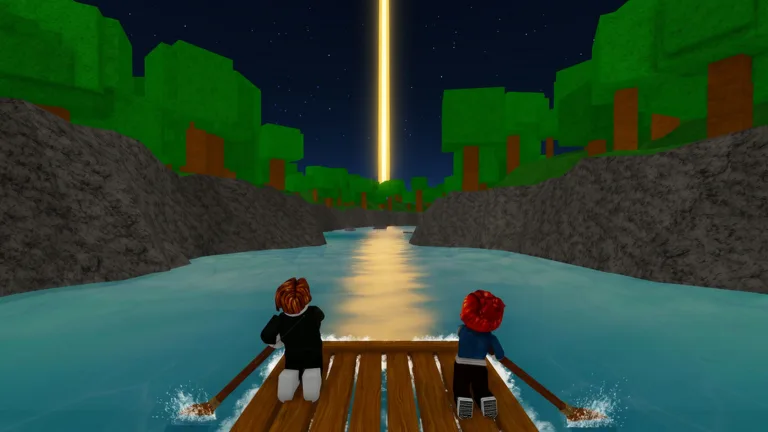
What Does the Lumberjack Class Do?
The 100 Miles Down the River lumberjack class lets you chop wood faster, helping you gather supplies for raft repairs and campfires. Its benefit starts with your opening wood collection and remains relevant when damaged raft sections or a dwindling fire need attention. Gather wood during stops before heading downstream.
Lumberjack Class and Resource Uses — November 24, 2026
| Element | Function |
|---|---|
| Lumberjack class | Speeds up wood chopping |
| Axe | Used to chop trees for wood |
| Wood | Used for raft repairs and campfire fuel |
Put that faster chopping to work while you have access to trees. Before casting off, collect wood alongside your other preparations, then replenish it during later stops. Keeping supplies ready gives you something to work with when your raft takes damage or you need to maintain a fire overnight.
Official page: 100 Miles Down the River (roblox.com)
Spend Wood on Repairs and Overnight Shelter
Wood supports two recurring survival jobs: keeping your raft together and keeping your campfire burning. Check both when you arrive at a stop.

Repair the raft before leaving. Rocks, falling debris, and gators can damage your boat along the route. Add wood to damaged raft sections while stopped, especially after a rough stretch. Finish repairs and attach equipment before starting the next leg; a departing raft can leave you scrambling to get back aboard.
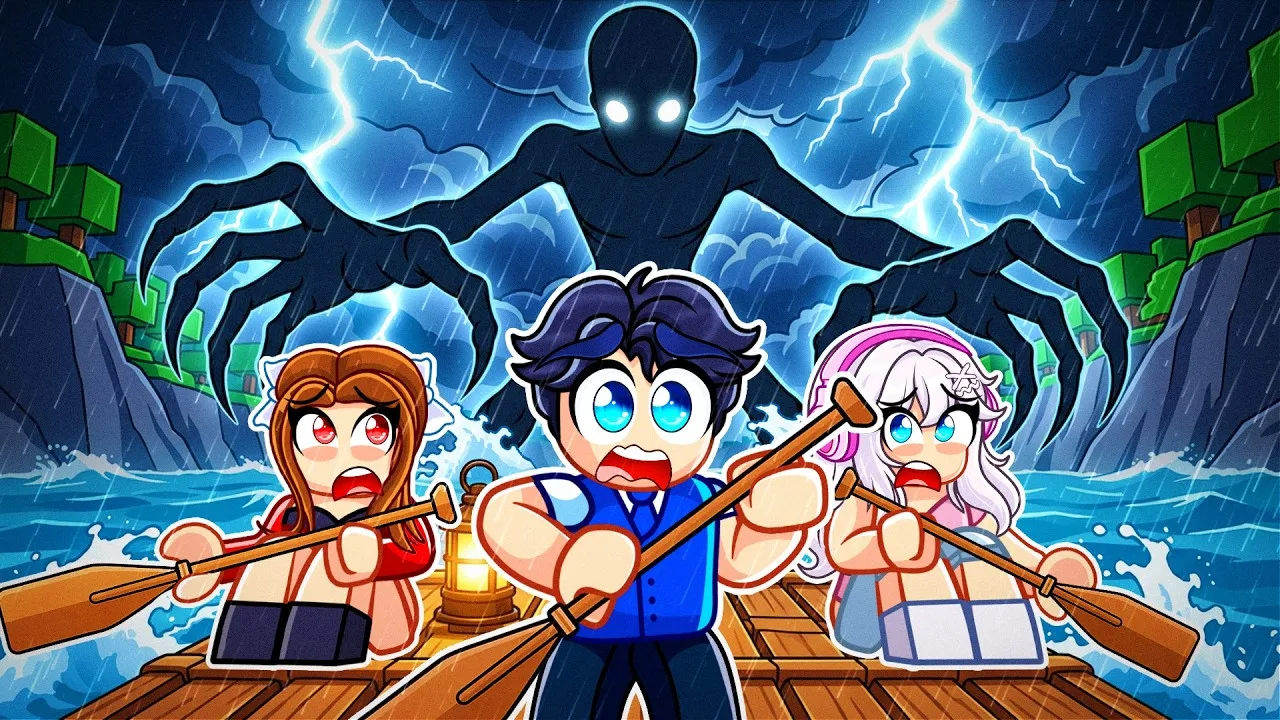
Fuel the campfire through the night. The storm creature fears the light, and the fire needs wood to keep burning. Stay within its glow while waiting for morning. Standing near the campfire also speeds up the night.
Carry a Flare Gun for encounters with the storm creature; fire it when the monster gets close. A fire pot provides another temporary patch of protective light. Set it down when needed, and remember that it burns out quickly.
Use this stop checklist to keep those jobs organized:
- Inspect the raft and repair damaged sections.
- Chop nearby trees to replenish your wood.
- Add fuel to the fire before settling in for the night.
- Cook fish where cooking facilities are available.
Some campfires lack cooking facilities, so prepare food when you have the opportunity. Faster wood gathering still leaves fishing, cooking, and maintaining shelter on your to-do list.
Cook extra fish before leaving a stop with a cooking fire. Fish provide food for the journey and can also be used to tame animals along the river. Cooking contributes toward Camp Cook, which requires 50 meals, so use those cooking opportunities during your runs.
Pair Faster Chopping With Raft Protection
Keep wood available for repairs, and equip protection against the hazards causing that damage. Iron Bumpers help fend off rocks and gators, while a canopy protects against snakes dropping onto the raft. Inspect your equipment after collisions and replace lost bumpers when you reach a shop.
Treat engine fuel as a separate supply: engines run on oil. Check your remaining fuel before leaving a stop, and keep steering space in mind when using extra speed. Waterfalls can throw you off the raft, making a fast departure especially dangerous.
Use Turbo cautiously: its speed boost lasts for a limited time, and falling off can leave your raft moving ahead without you. In the icy stretch, thin ice adds another risk: striking it too fast can break the raft. Slow your approach to those hazards.
For solo runs, complete your gathering, repairs, and meal preparation before moving on. You handle those tasks alongside paddling and steering, so leave each stop ready for the next stretch.
If you’re pursuing Lone Paddler, the goal is to reach Mile 100 alone. For Untouched, reach Mile 25 in one run without getting knocked down. Keep your raft protected and steer carefully around obstacles while working toward either challenge.
Continue with
 100 Miles Down the River Classes: Unlocks and EmbersLearn how 100 Miles Down the River classes work, unlock them with embers in the lobby, and handle fishing, raft steering, and campfire safety on your run.
More in Classes
See all Classes
Continue exploring
Join the community
Official channels for news, updates and player help: